
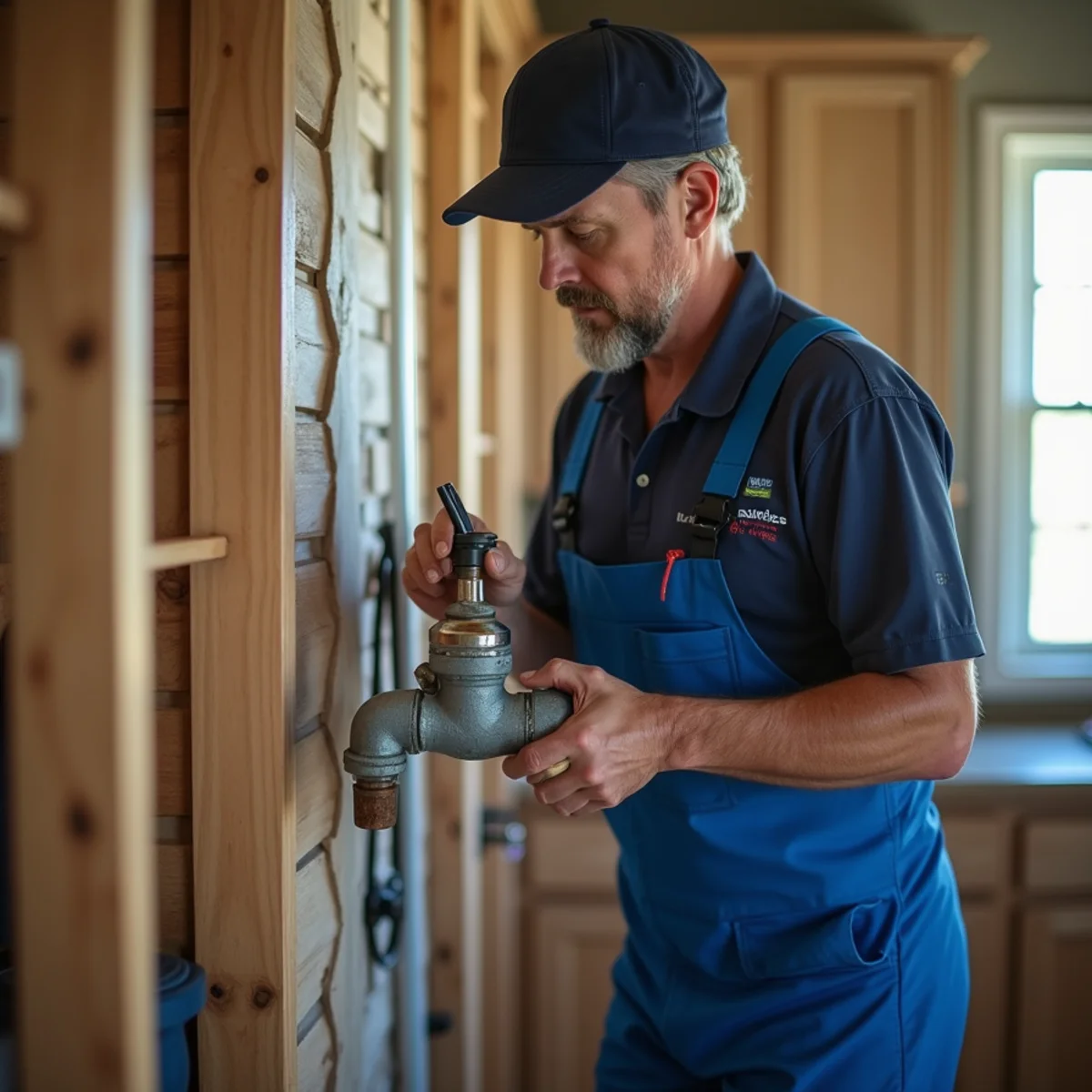
When dealing with what to do when a pipe bursts in your ankeny home, prompt action and strict adherence to Iowa plumbing standards are critical. Our licensed master plumbers recommend immediate isolation of active hazards, following code-compliant diagnostic steps, and scheduling a professional on-site evaluation before minor plumbing vulnerabilities escalate into structural property damage.
The First 30 Minutes: Stop the Water Before Damage Spreads
Few household experiences induce panic quite like the roaring sound of high-pressure water gushing from a ruptured pipe inside your ceiling or walls. Whether caused by an Iowa polar vortex freeze or sudden mechanical failure, every second counts. In less than 30 minutes, an uncontrolled 60-PSI water line can discharge hundreds of gallons, saturating insulation, collapsing drywall ceilings, and warping expensive hardwood floors.
Before you call for emergency service, you must take three immediate safety actions: shut off the water supply, isolate electrical hazards, and document the scene for your insurance adjuster. Here is the exact protocol our master plumbers teach Ankeny homeowners.
Step 1: Shut Off the Main Water Supply Immediately
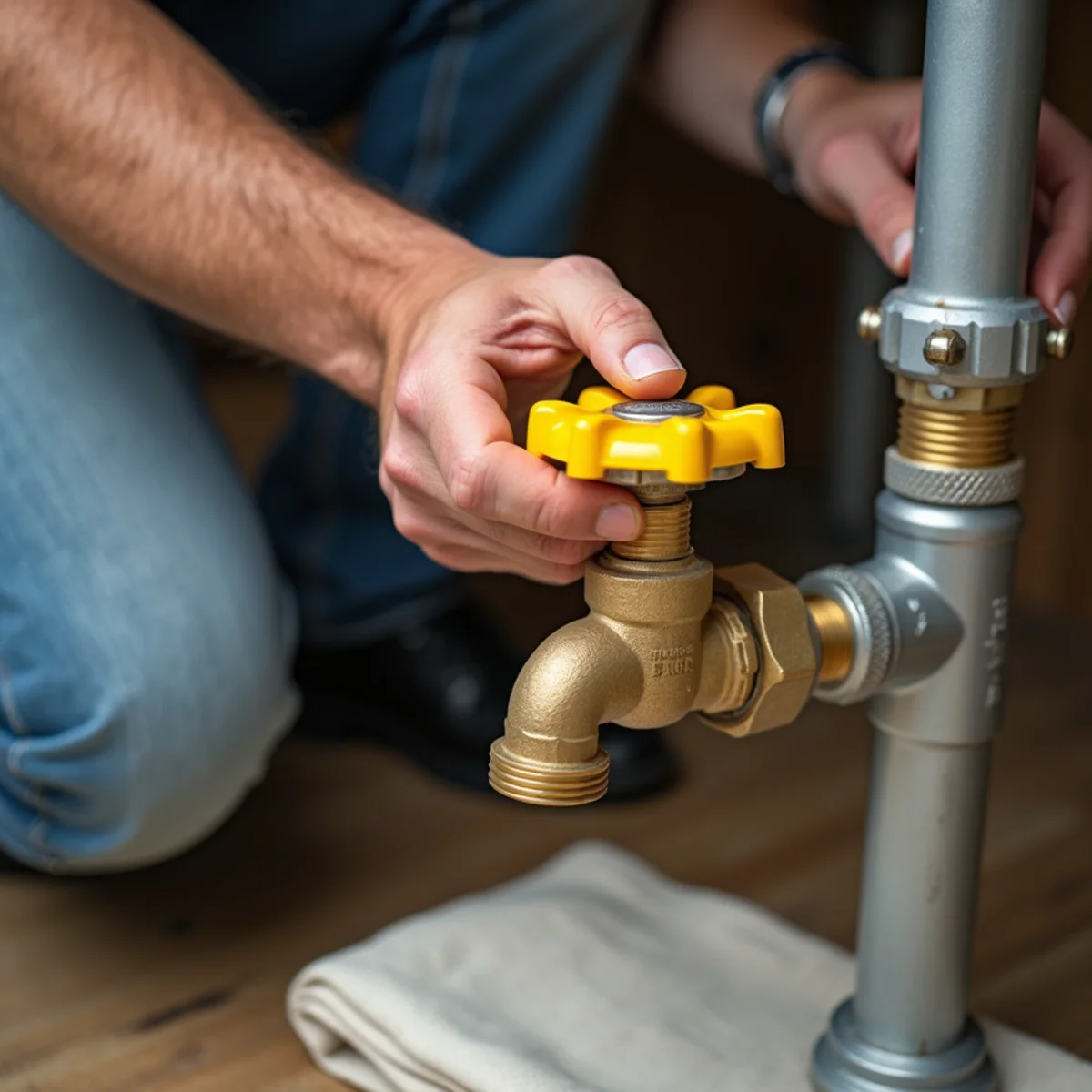
Do not waste time searching for a local fixture valve if water is spewing uncontrollably. Go directly to your home's main water shut-off valve. In most Ankeny basement homes—from Prairie Trail to older neighborhoods in Uptown—the main shut-off is located along the foundation wall facing the street, immediately adjacent to the municipal water meter.
If your valve is a modern brass ball valve with a lever handle, turn it 90 degrees perpendicular to the pipe until it stops. If it is an older round gate valve, turn it clockwise until firmly closed. If the valve is seized, do not force it with a wrench—call our emergency line immediately so our technician can coordinate a street curb-stop shut-off with the City of Ankeny.
- Locate main valve near front foundation or water heater closet
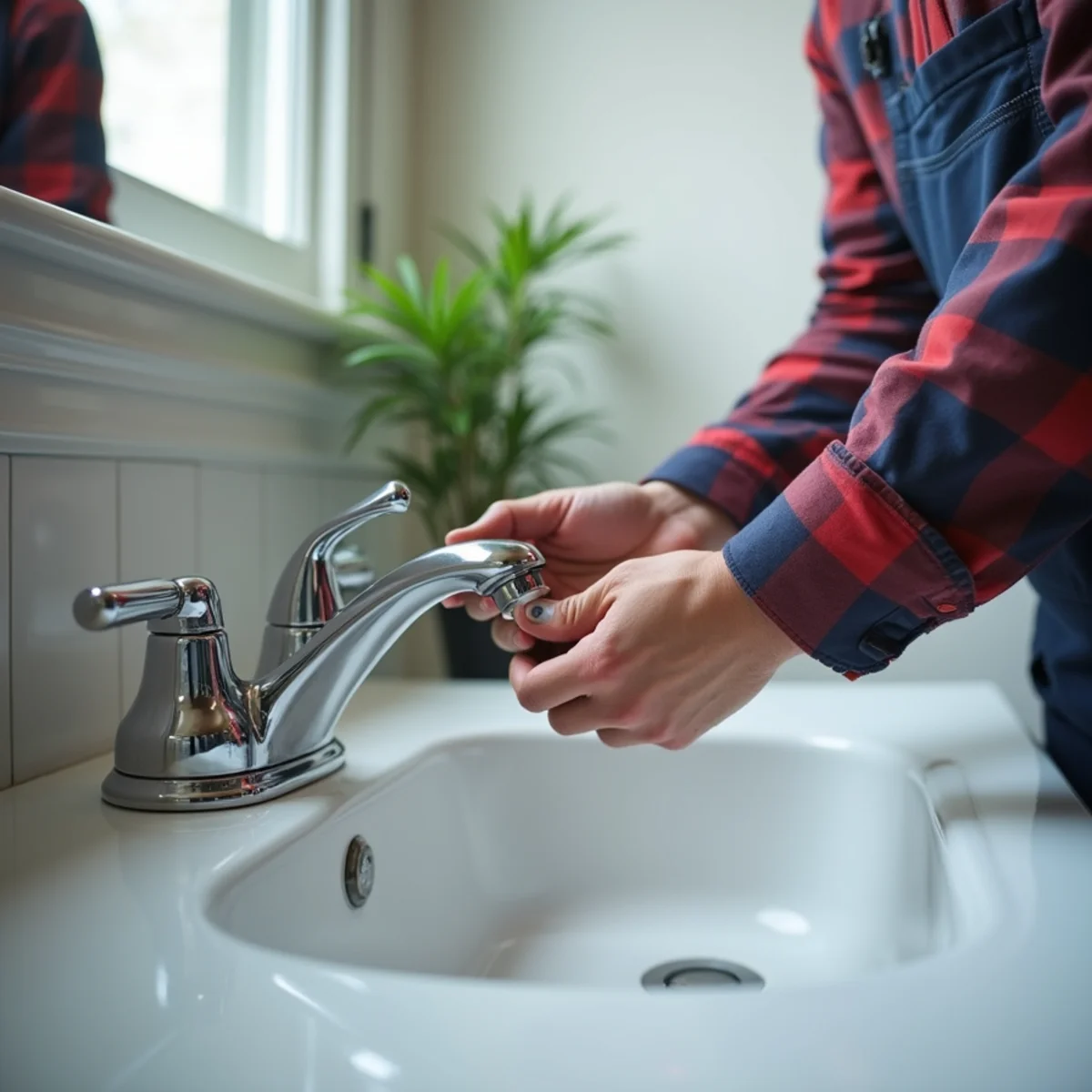
- Turn quarter-turn ball valve lever perpendicular to the pipe
- Open lowest faucets (like basement laundry tub) to relieve residual line pressure
- Never touch a seized gate valve with excessive force that could break the stem
Step 2: Isolate Electrical Hazards and Clear Belongings
Water and electricity create an immediate lethal shock hazard. If water has reached electrical outlets, baseboard heaters, power strips, or your main breaker panel, do NOT step into standing water. If your electrical panel is in a dry, safe location, switch off the circuit breakers powering the flooded rooms.
Once you are certain the area is electrically safe, move dry furniture, rugs, electronics, and valuable documents out of the path of expanding water. Avoid walking under sagging drywall ceilings, as water-soaked drywall can suddenly collapse under heavy moisture weight.

Step 3: Document Damage for Your Homeowners Insurance Claim
Before you begin mopping or using shop vacuums, pull out your smartphone. Take comprehensive, timestamped photos and continuous video of the burst pipe, water pooling on floors, soaked ceiling stains, and every item of damaged personal property. Keep the serial numbers of damaged appliances visible.
Most Iowa homeowners policies cover sudden and accidental pipe ruptures, but adjusters require clear visual proof of the initial conditions before drying equipment is installed.

Step 4: Contact a Licensed Iowa Master Plumber
Once the water is stopped and documented, call Plumbing Ankeny at (831) 290-4327. Our fully stocked emergency service truck will dispatch immediately. We will cut out the damaged pipe section, splice in freeze-resilient Uponor PEX-a piping, and run hydrostatic pressure checks before restoring safe domestic water to your home.
Expert Master Plumber Insight: Permanent Repairs vs. Temporary Clamps
Why Rubber Patches and Slip Clamps Fail Iowa Winter Codes
In the frantic moments following a pipe rupture, hardware store pipe repair clamps, rubber sleeves, or silicone self-amalgamating tape may look like lifesavers. While these temporary measures can stem the flow while you turn the main shut-off valve, our licensed master plumbers strongly urge Ankeny property owners never to treat them as permanent repairs.
Under the Iowa Uniform Plumbing Code, high-pressure residential domestic water lines operate between 50 and 70 PSI. Pressure surges caused by fast-closing washing machine solenoids or dishwasher valves (hydraulic water hammer) easily blow temporary clamps off aging copper or CPVC lines, restarting catastrophic flooding while your family is away or asleep.
A permanent, code-compliant repair requires cutting out the compromised pipe section past the hairline stress fractures, inspecting surrounding fittings for hydraulic expansion, and sweating new Type-L hard copper or crimping PEX-a expansion sleeves using ASTM F1960 cold-expansion fittings with heavy-duty pipe suspension hangers.
- Temporary clamps are strictly emergency triage until an Iowa-licensed plumber arrives.
- Pinhole bursts often indicate systemic corrosion requiring broader section replacement.
- PEX-a expansion repairs provide freeze resilience by expanding up to 300% without splitting.
Mold Prevention and Thermal Drying Protocol Following an Indoor Flood
The 24- to 48-Hour Biological Window in Central Iowa Homes
Once the water flow is safely halted and the pipe is repaired, the battle against secondary water damage and hazardous mold growth begins. In Central Iowa's humid summer months or well-insulated winter basements, airborne Aspergillus and Stachybotrys mold spores begin colonizing wet sheetrock, carpet padding, and wood framing within 24 to 48 hours of initial exposure.
Simply running an oscillating box fan is insufficient to pull bound moisture from saturated subfloors. Professional remediation requires making flood cuts in drywall at least 12 to 24 inches above the highest moisture waterline, discarding wet cellulose insulation, and running commercial LGR (low-grain refrigerant) dehumidifiers alongside high-velocity axial air movers until wood moisture content drops below 15%.
Central Iowa Building Codes & Master Plumber Standards Compliance
Plumbing work across Ankeny, Des Moines, and Polk County must comply strictly with the Iowa Uniform Plumbing Code (UPC) and local municipal amendments. Whether addressing emergency water leaks, replacing aging water heaters, or repairing subterranean sewer laterals, unpermitted work or DIY shortcuts can void homeowner insurance policies and create serious safety hazards including toxic sewer gas leaks and combustion backdrafting.
Plumbing Ankeny operates under Iowa Master Plumber License #0038924. Our certified technicians carry $2,000,000 in liability coverage, pull all required municipal permits, and coordinate required city trade inspections directly, ensuring your home remains safe, code-compliant, and protected for years to come.
Central Iowa Homeowner Action & Diagnostic Matrix
Stage 1: Hazard Mitigation
Shut off local fixture valves or the main building shut-off near the water meter. Turn off electrical circuit breakers if standing water is present.
Stage 2: Diagnostic Scoping
Deploy calibrated digital pressure gauges, fiber-optic sewer cameras, or acoustic leak detectors to verify root causes without unnecessary demolition.
Stage 3: Permanent Resolution
Execute permanent repairs using Type-L copper, ASTM F1960 PEX-a expansion, or CIPP epoxy liners backed by our 1-year parts and labor warranty.
Frequently Asked Questions
Where is my main water shut-off valve located in Ankeny?
In basement homes, it's typically near the water meter by the street-facing foundation wall. In slab homes, check the water heater closet or garage.
How much water can a burst pipe release per hour?
A pressurized 1/2-inch copper pipe rupture can release 400 to 900 gallons of water per hour, causing catastrophic drywall and flooring destruction.
Will my homeowners insurance cover burst pipe water extraction and repair in Ankeny?
Most standard Iowa homeowners policies cover sudden and accidental water damage (drywall, flooring, personal property, and structural drying), provided the home was kept heated to at least 55°F. However, the cost of repairing the plumbing pipe itself is often excluded or subject to your policy deductible.
Can I use push-to-connect fittings like SharkBite for a permanent burst pipe repair in Iowa?
While push-to-connect fittings are code-approved for accessible locations in Iowa, master plumbers advise against burying them inside closed walls or under concrete basement slabs where thermal movement and soil settling can cause O-ring failure over time.
How do I know if more than one pipe burst in my walls after an Iowa freeze?
After repairing the primary visible rupture, a master plumber conducts a static pressure decay test. By attaching a calibrated pressure gauge to a hose bib and pressurizing the domestic system with the main valve closed, any drop in PSI instantly reveals hidden secondary leaks inside wall cavities or ceilings.