

When dealing with how to find a hidden water leak in your ankeny home, prompt action and strict adherence to Iowa plumbing standards are critical. Our licensed master plumbers recommend immediate isolation of active hazards, following code-compliant diagnostic steps, and scheduling a professional on-site evaluation before minor plumbing vulnerabilities escalate into structural property damage.
The Silent Threat of Concealed Water Leaks
Not all plumbing leaks announce themselves with a burst pipe and a flooded floor. In fact, some of the most destructive leaks are microscopic pinholes that drip silently behind drywall, under subflooring, or beneath basement concrete slabs. Over months, these hidden leaks rot floor joists, cultivate toxic mold, and inflate municipal water bills.
If your Ankeny water bill suddenly increased or you suspect a leak, here is how to track it down.

The 15-Minute Water Meter Diagnostic Test
Your water meter is your home's most accurate leak detector. Follow these steps:
1. Turn off every water-consuming fixture in the house: faucets, showers, laundry machines, dishwashers, and automatic ice makers. Ensure no toilets have been flushed recently.
2. Locate your water meter (typically in the basement near the foundation wall). Look closely at the register face. Most meters feature a small red or silver triangle, star, or gear called a 'low-flow indicator.' On digital meters, check the flow rate display.
3. If that indicator is spinning—even slowly—water is flowing through the meter. If you see movement, shut off the main water valve. If the meter stops, the leak is inside the home; if it keeps spinning, the leak is in the underground service line between the street curb stop and your house.
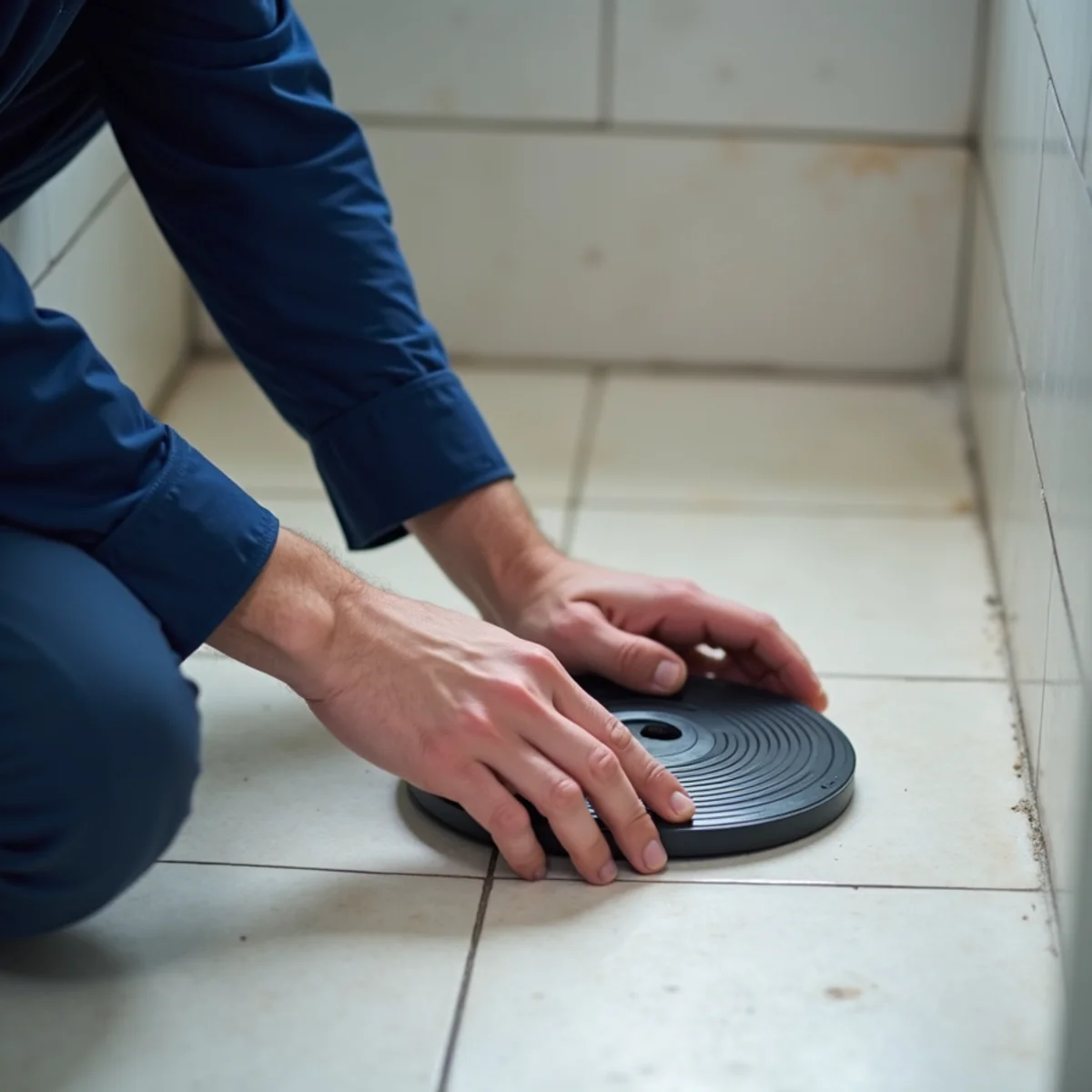
Checking the Most Common Culprits
• The Silent Toilet Leak: Put 5 drops of dark food coloring into your toilet tank. Wait 20 minutes without flushing. If color seeps into the toilet bowl, your flapper is leaking, wasting up to 200 gallons daily.
• Slab Leak Clues: Walk barefoot across basement or lower-level floors. A warm spot on tile or concrete indicates a hot water slab leak.
• Acoustic Clues: Place your ear against exposed copper lines near the water heater. A continuous hissing sound signals a pressurized leak nearby.
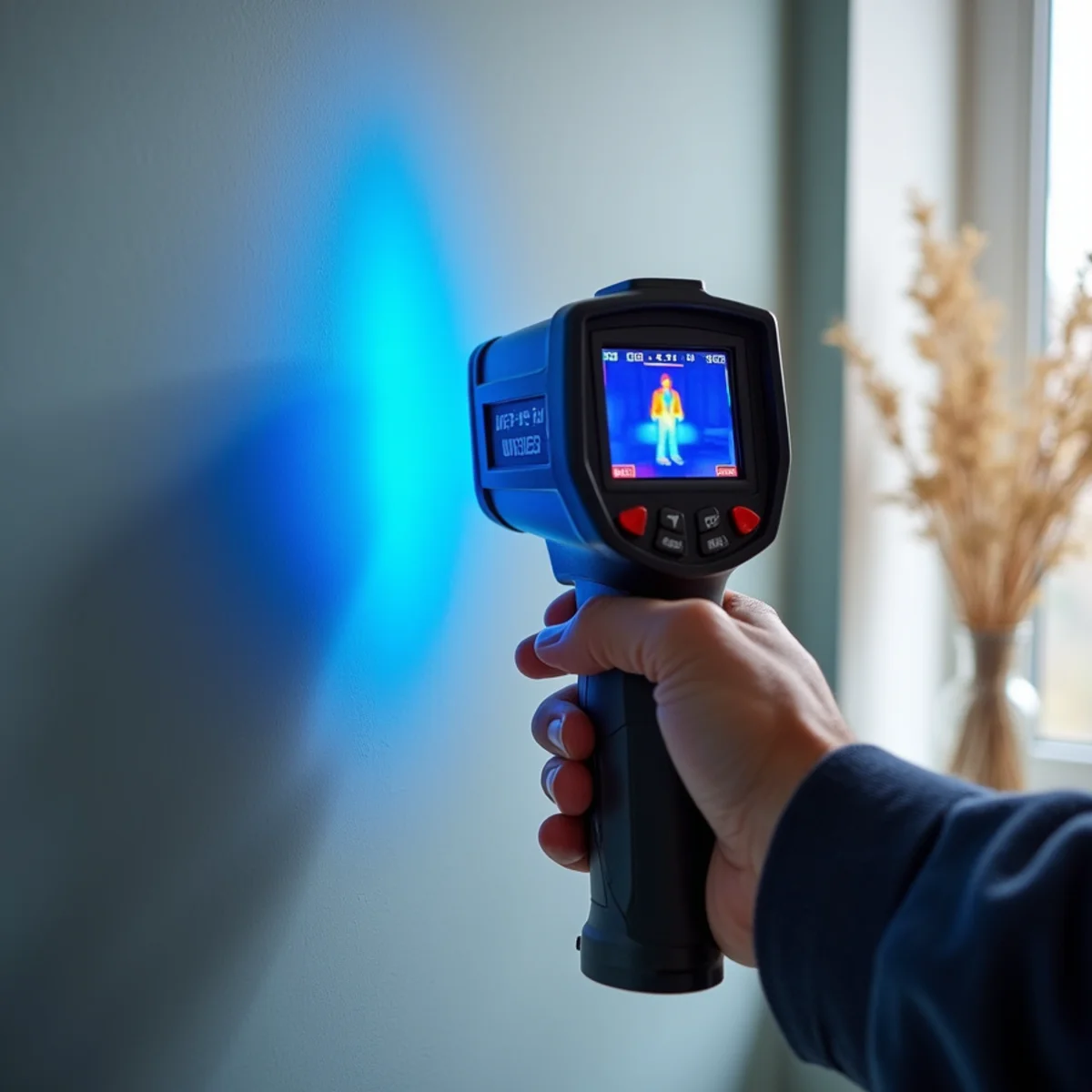
Call for Non-Invasive Electronic Detection
If the meter indicates a leak but you cannot find the source, call Plumbing Ankeny at (831) 290-4327. We deploy infrared thermal cameras and ultrasonic listening gear to locate hidden leaks without tearing up your drywall.
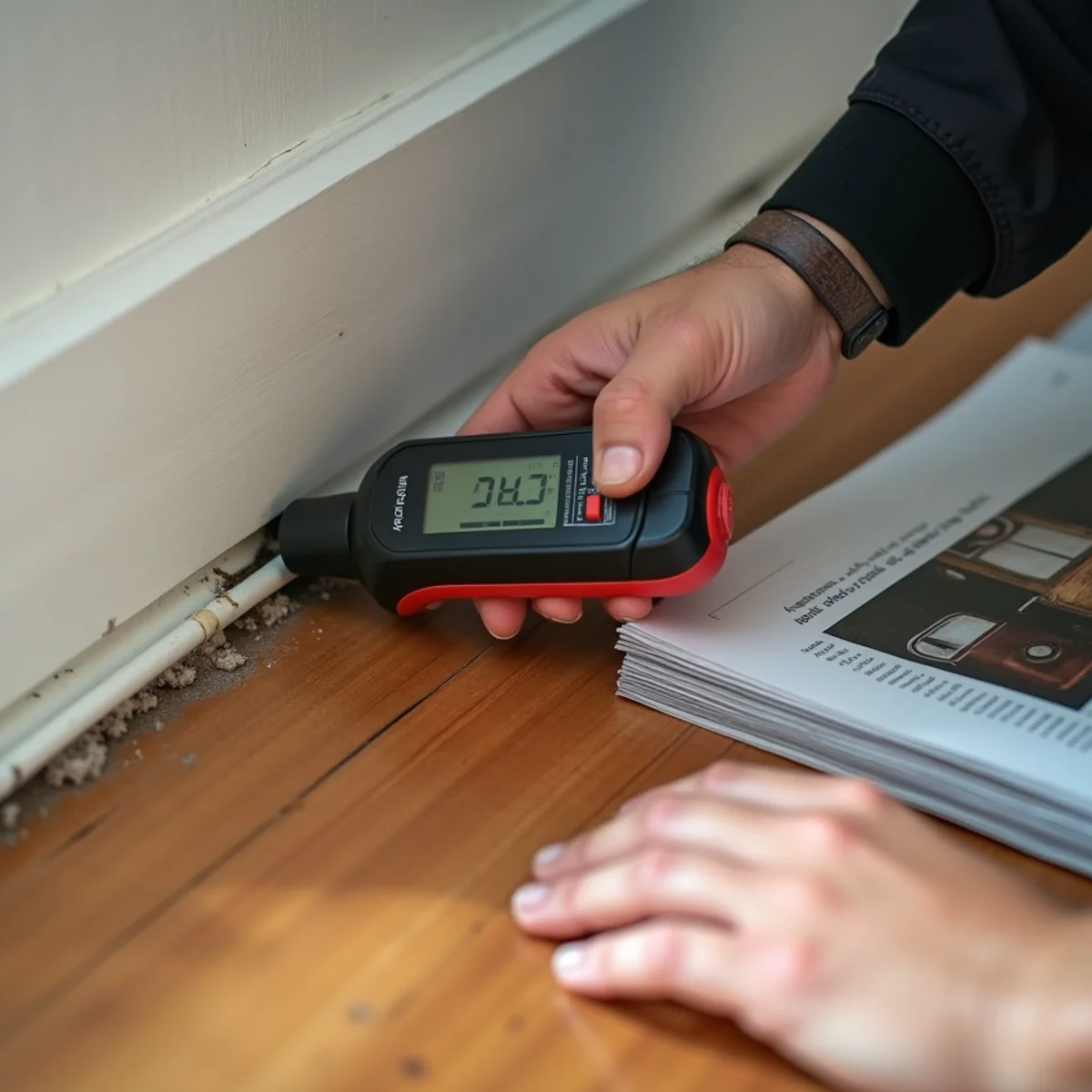
Non-Invasive Diagnostic Leak Detection Equipment Used by Master Plumbers
Acoustic Ground Microphones, Correlation Loggers, and Infrared Thermal Imaging
In the past, locating a concealed water pipe leak behind sheetrock or underneath a concrete basement slab required invasive demolition and guess-and-check trenching. Today, our licensed master plumbers utilize state-of-the-art non-invasive acoustic and thermal diagnostic tools.
Pressurized water escaping through a pinhole fracture emits distinct high-frequency acoustic friction vibrations. Using electro-acoustic ground listening microphones and frequency-filtered amplifiers, we pinpoint the exact subterranean leak location within inches. High-resolution FLIR infrared thermal cameras detect subtle surface temperature differentials, revealing hidden moisture tracks behind tiled bathroom walls and ceilings without cutting drywall.
The Water Meter Dial Test: Step-by-Step Homeowner Protocol
How to Detect Concealed Plumbing Leaks in Under 30 Minutes
You can verify whether your home has an active hidden plumbing leak using nothing more than your municipal water meter. Ensure all faucets, garden hoses, washing machines, and ice makers are completely turned off, and that no toilets have been recently flushed.
Locate your water meter (typically in the basement near the foundation wall facing the street). Inspect the digital display or analog dial. Look for a tiny rotating triangular or gear-shaped 'low-flow leak indicator.' If this indicator is spinning, or if the digital gallon reading increments after 20 minutes without water usage, pressurized water is escaping somewhere inside your plumbing system.
Central Iowa Building Codes & Master Plumber Standards Compliance
Plumbing work across Ankeny, Des Moines, and Polk County must comply strictly with the Iowa Uniform Plumbing Code (UPC) and local municipal amendments. Whether addressing emergency water leaks, replacing aging water heaters, or repairing subterranean sewer laterals, unpermitted work or DIY shortcuts can void homeowner insurance policies and create serious safety hazards including toxic sewer gas leaks and combustion backdrafting.
Plumbing Ankeny operates under Iowa Master Plumber License #0038924. Our certified technicians carry $2,000,000 in liability coverage, pull all required municipal permits, and coordinate required city trade inspections directly, ensuring your home remains safe, code-compliant, and protected for years to come.
Central Iowa Homeowner Action & Diagnostic Matrix
Stage 1: Hazard Mitigation
Shut off local fixture valves or the main building shut-off near the water meter. Turn off electrical circuit breakers if standing water is present.
Stage 2: Diagnostic Scoping
Deploy calibrated digital pressure gauges, fiber-optic sewer cameras, or acoustic leak detectors to verify root causes without unnecessary demolition.
Stage 3: Permanent Resolution
Execute permanent repairs using Type-L copper, ASTM F1960 PEX-a expansion, or CIPP epoxy liners backed by our 1-year parts and labor warranty.
Frequently Asked Questions
How do I perform the water meter leak test?
Shut off all water fixtures in the home. Locate your water meter. If the low-flow dial or digital flow rate is moving, water is leaking somewhere in your plumbing system.
What is the most common cause of hidden water leaks?
Failing toilet flapper valves, pinhole leaks in copper supply lines, and cracked PEX fittings concealed behind drywall or under concrete floor slabs.
Can a hidden water line leak cause my basement foundation slab to crack or shift?
Yes. In Central Iowa's clay soils, an ongoing subterranean supply leak or slab leak saturates and expands the clay beneath the concrete slab, creating upward heave and structural foundation cracking.
What is the typical cost for professional electronic leak detection in Ankeny?
Professional non-invasive leak detection typically ranges from $250 to $500 depending on property size and whether acoustic listening, thermal imaging, or line pressure decay tests are required.
How much can my quarterly water bill increase from a silent running toilet?
A silent toilet leak caused by a degraded flapper valve can waste between 3,000 and 6,000 gallons per month, adding $50 to $150+ to your municipal utility bill every billing cycle.