
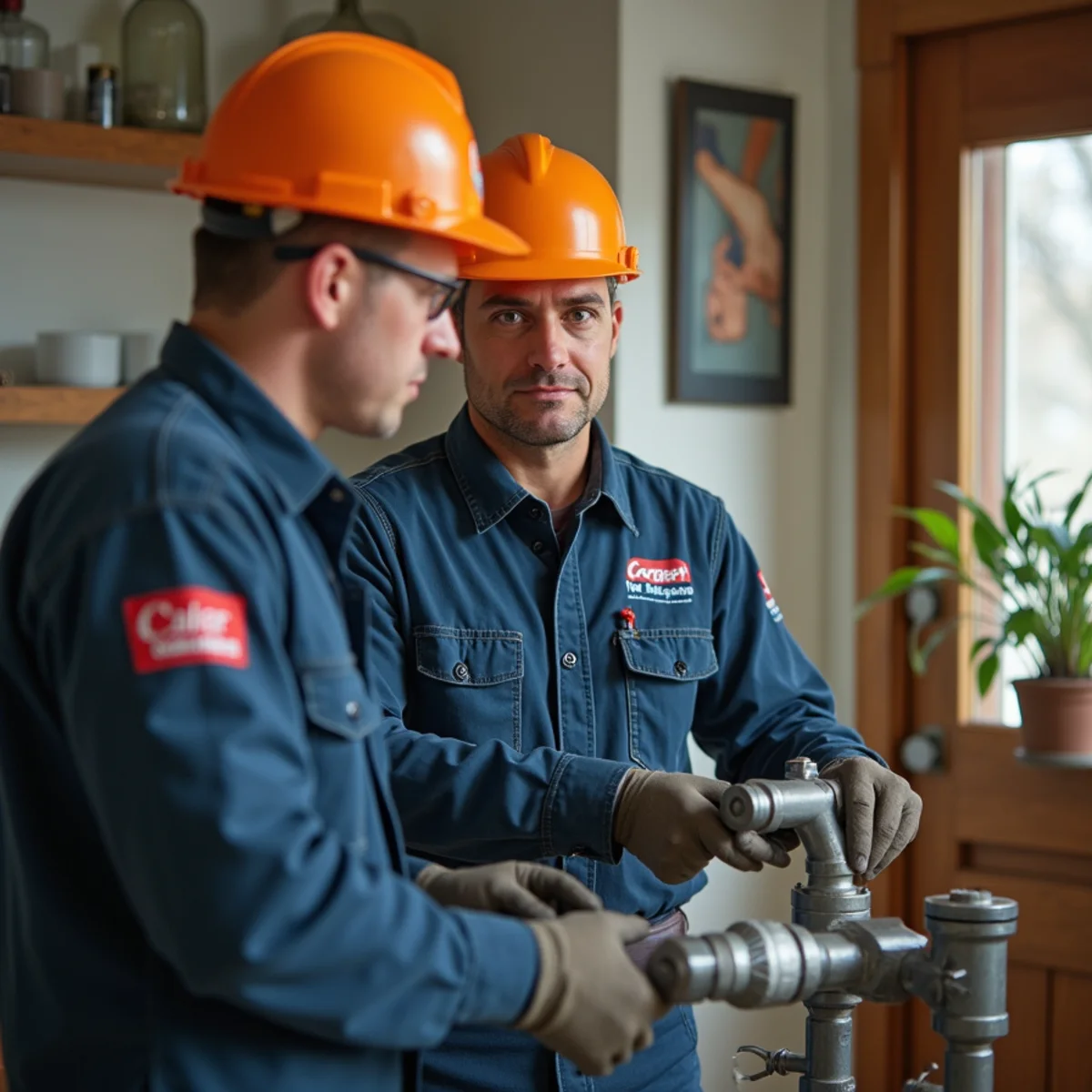
When dealing with flood-season plumbing: des moines & raccoon river risk, prompt action and strict adherence to Iowa plumbing standards are critical. Our licensed master plumbers recommend immediate isolation of active hazards, following code-compliant diagnostic steps, and scheduling a professional on-site evaluation before minor plumbing vulnerabilities escalate into structural property damage.
River Basin Hydrology in the Des Moines Metro
The confluence of the Des Moines River and Raccoon River has shaped the history and growth of the Des Moines metro. However, heavy spring rains and rapid snowmelt in northern Iowa regularly bring river stages near flood crests. Even if surface water never reaches your lawn, the underground water table spikes dramatically throughout surrounding neighborhoods.
When groundwater rises, your home's foundation is subjected to thousands of pounds of hydrostatic pressure, pushing water toward any basement vulnerability.
Municipal Sewer Surcharge: The Hidden Flood Hazard
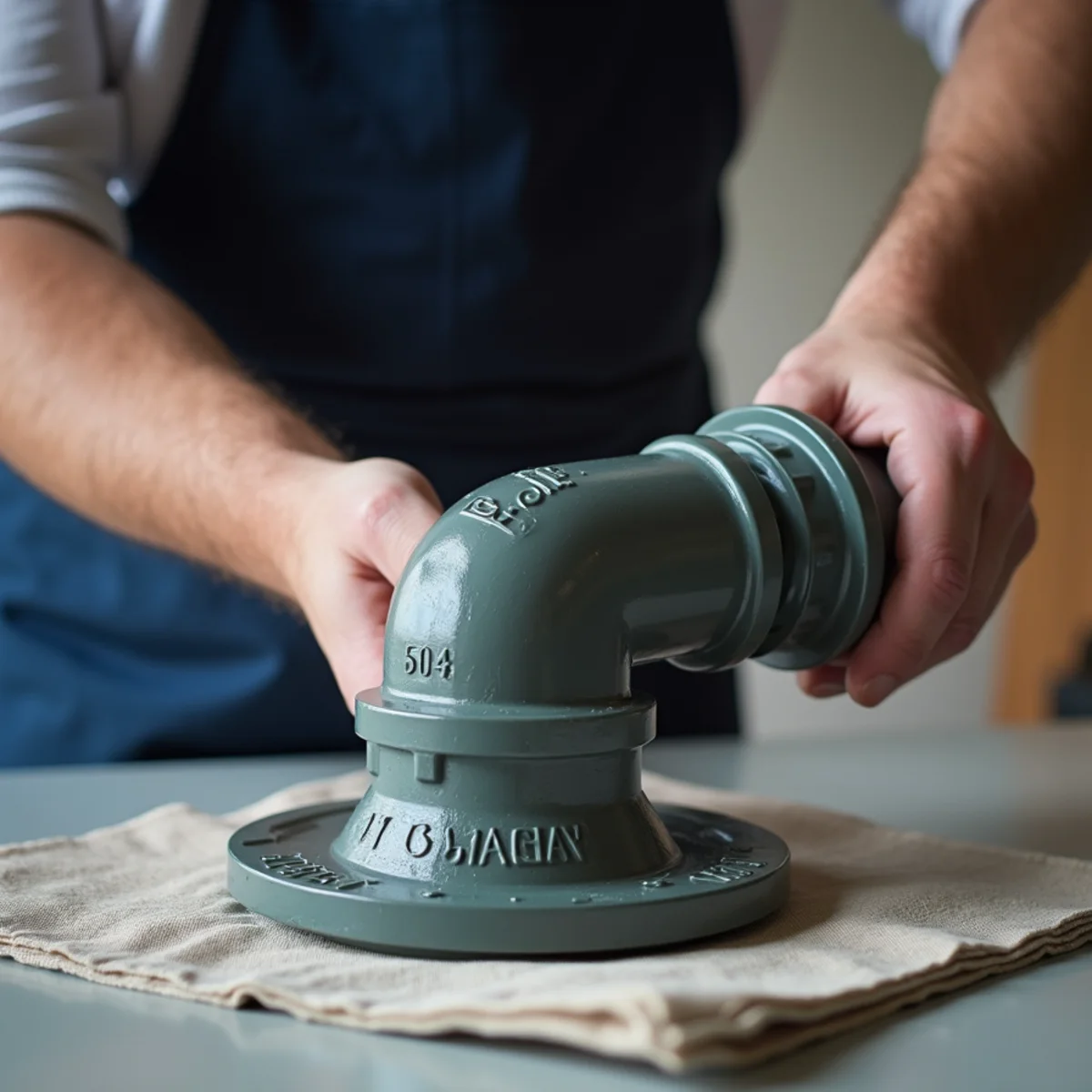
The greatest danger during flood season isn't groundwater—it is municipal sewer surcharge. When stormwater infiltrates aging city sewer mains, the system reaches maximum capacity. Pressurized sewage flows backward through residential laterals, emerging from basement floor drains.
The only reliable protection against this biohazard is an automatic sewer backwater check valve installed in your main drain line.
Hardening Your Basement Defense with Plumbing Ankeny
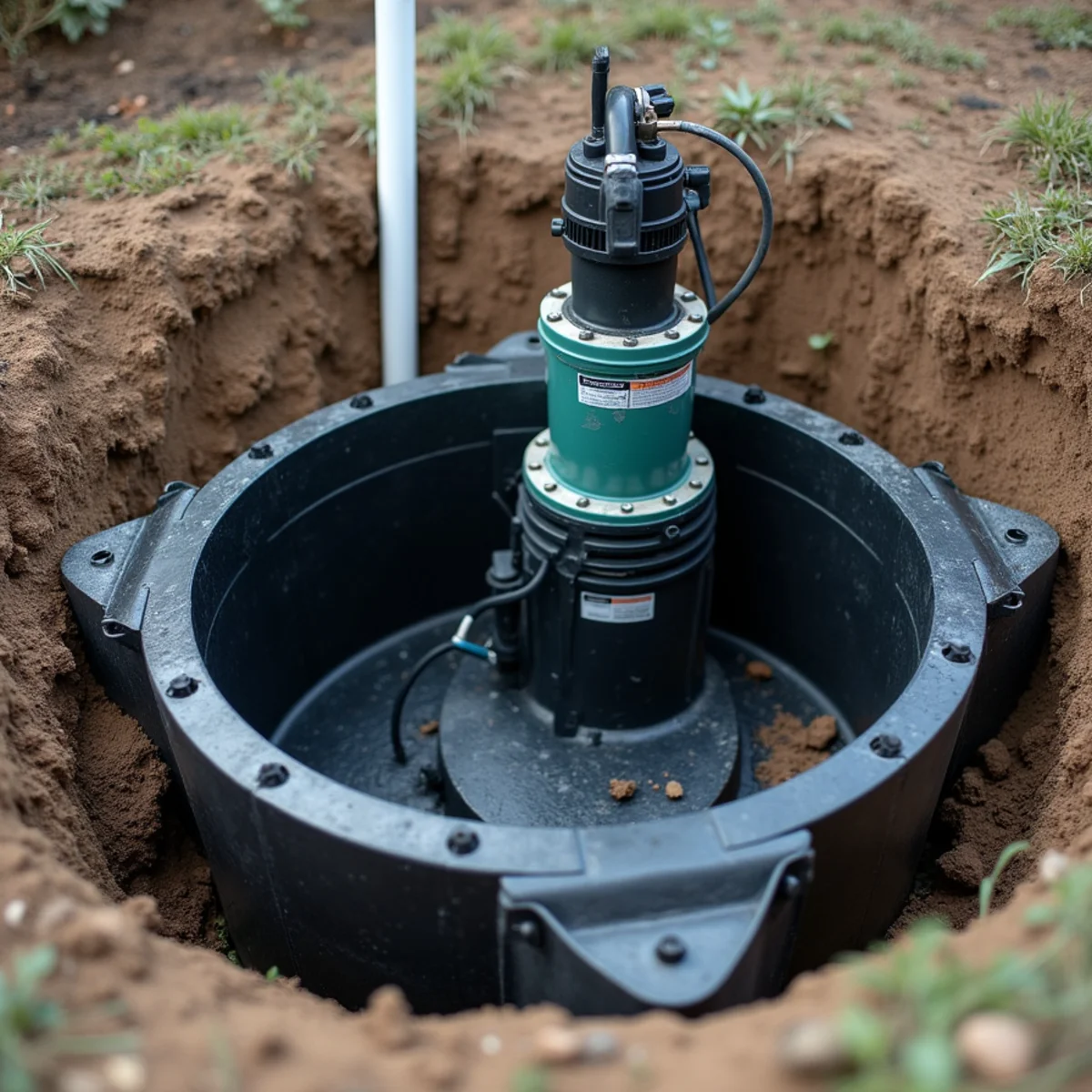
Our flood defense packages include installing code-approved backwater valves, high-capacity dual sump pump systems, and battery-powered backup pumps with cellular flood alerts. Call (831) 290-4327 to prepare your home before flood season begins.

Hydrologic Dynamics of the Des Moines and Raccoon River Basins
How High Groundwater Tables and Sewer Surcharges Threaten Valley Properties
Properties situated in river corridors and alluvial floodplains across the Des Moines metro—including neighborhoods near Waterbury, the Raccoon River, and downtown Des Moines—face intense seasonal plumbing vulnerabilities every spring and summer.
When river stages crest, the local groundwater table rises rapidly, exerting extreme hydrostatic pressure against basement slabs. Simultaneously, massive volumes of stormwater overwhelm municipal combined storm-and-sanitary sewer networks. Under high head pressure, municipal sewers can surcharge, forcing millions of gallons of mixed stormwater and raw sewage backward up private lateral lines into low-lying basements.
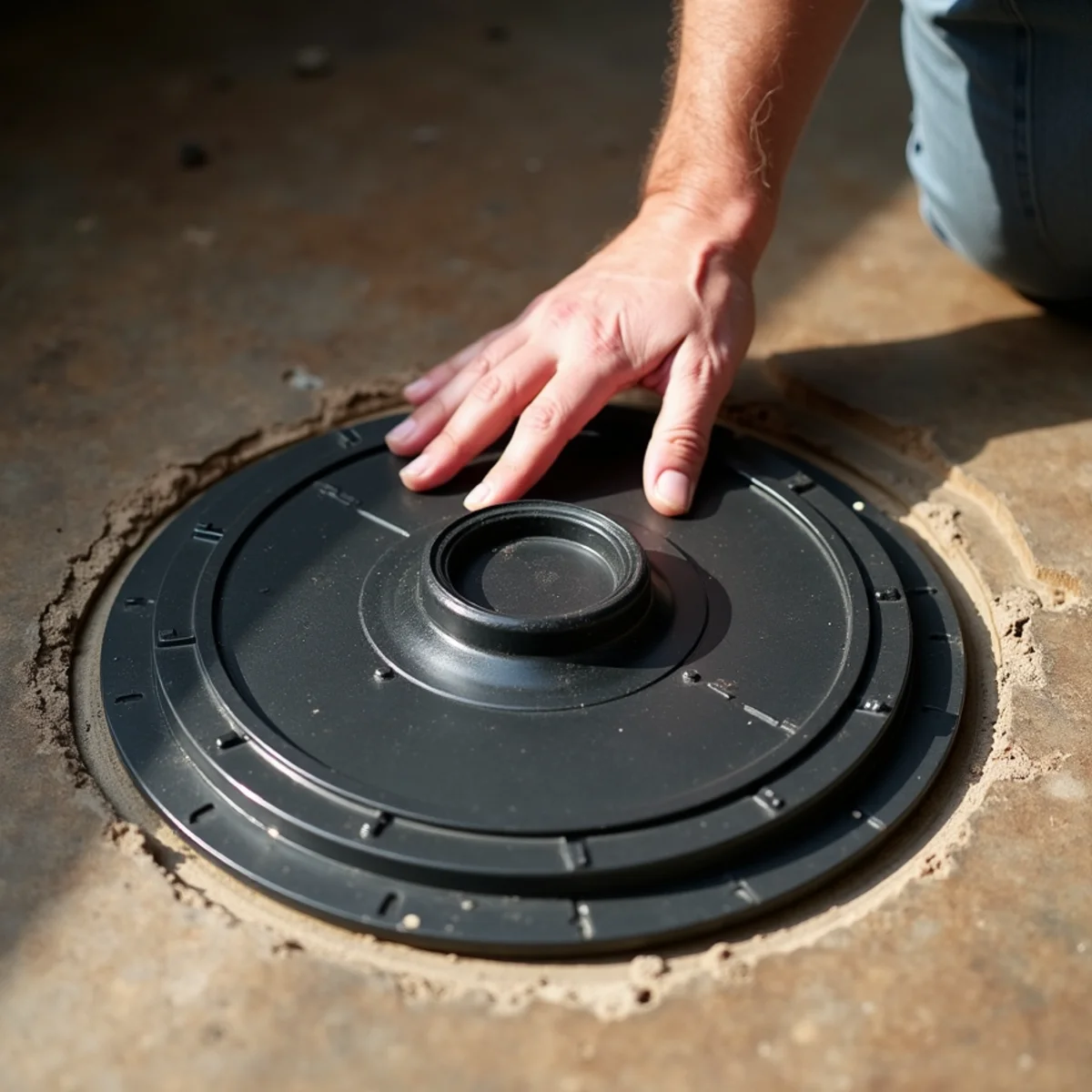
Dual-Stage Sump Pump System Architecture with Redundant Discharge Routing
Engineering Multi-Pump Basins with Freeze-Proof Exterior Bubbler Pots
Homes in floodplain zones require specialized dual-pump station engineering. Rather than relying on a solitary pump, our technicians install dual-tier sump pits with staggered float switches. The primary 1/2-HP pump handles normal inflows; if water rises an additional 4 inches, a heavy-duty secondary 3/4-HP pump kicks on simultaneously to double discharge volume.
Discharge lines must also be engineered for high water conditions. We install independent check valves on each pump line and route discharge pipes to freeze-proof pop-up lawn bubbler pots located at least 20 feet away from the foundation backfill zone, preventing recirculating groundwater loops.
Central Iowa Building Codes & Master Plumber Standards Compliance
Plumbing work across Ankeny, Des Moines, and Polk County must comply strictly with the Iowa Uniform Plumbing Code (UPC) and local municipal amendments. Whether addressing emergency water leaks, replacing aging water heaters, or repairing subterranean sewer laterals, unpermitted work or DIY shortcuts can void homeowner insurance policies and create serious safety hazards including toxic sewer gas leaks and combustion backdrafting.
Plumbing Ankeny operates under Iowa Master Plumber License #0038924. Our certified technicians carry $2,000,000 in liability coverage, pull all required municipal permits, and coordinate required city trade inspections directly, ensuring your home remains safe, code-compliant, and protected for years to come.
Central Iowa Homeowner Action & Diagnostic Matrix
Stage 1: Hazard Mitigation
Shut off local fixture valves or the main building shut-off near the water meter. Turn off electrical circuit breakers if standing water is present.
Stage 2: Diagnostic Scoping
Deploy calibrated digital pressure gauges, fiber-optic sewer cameras, or acoustic leak detectors to verify root causes without unnecessary demolition.
Stage 3: Permanent Resolution
Execute permanent repairs using Type-L copper, ASTM F1960 PEX-a expansion, or CIPP epoxy liners backed by our 1-year parts and labor warranty.
Frequently Asked Questions
What is a sewer backwater check valve and do I need one?
A backwater valve is a one-way flapper installed in your main sewer lateral. When city mains surcharge during floods, the flapper automatically shuts, preventing municipal sewage from backing up into your basement.
How do river levels affect water tables miles away?
River basins sit in sandy, alluvial gravel subgrades that transmit groundwater pressure across the entire floodplain, elevating water tables in surrounding basements.
What is a municipal sewer surcharge and how does it threaten my home?
A sewer surcharge occurs when floodwaters or torrential rains exceed municipal sewer capacity. Water backs up through private sewer laterals, exploding out of basement floor drains and toilets under intense hydraulic pressure.
Can extreme groundwater pressure actually lift or float a concrete basement floor?
Yes. Unrelieved hydrostatic pressure beneath a basement slab can exert thousands of pounds of upward force, causing thick concrete floors to heave, crack, and buckle upward.
How far away from my foundation should sump pump discharge water be routed?
Sump pump discharge should terminate at least 15 to 20 feet away from your foundation wall, pitched downhill to ensure water does not percolate back through the foundation backfill.