
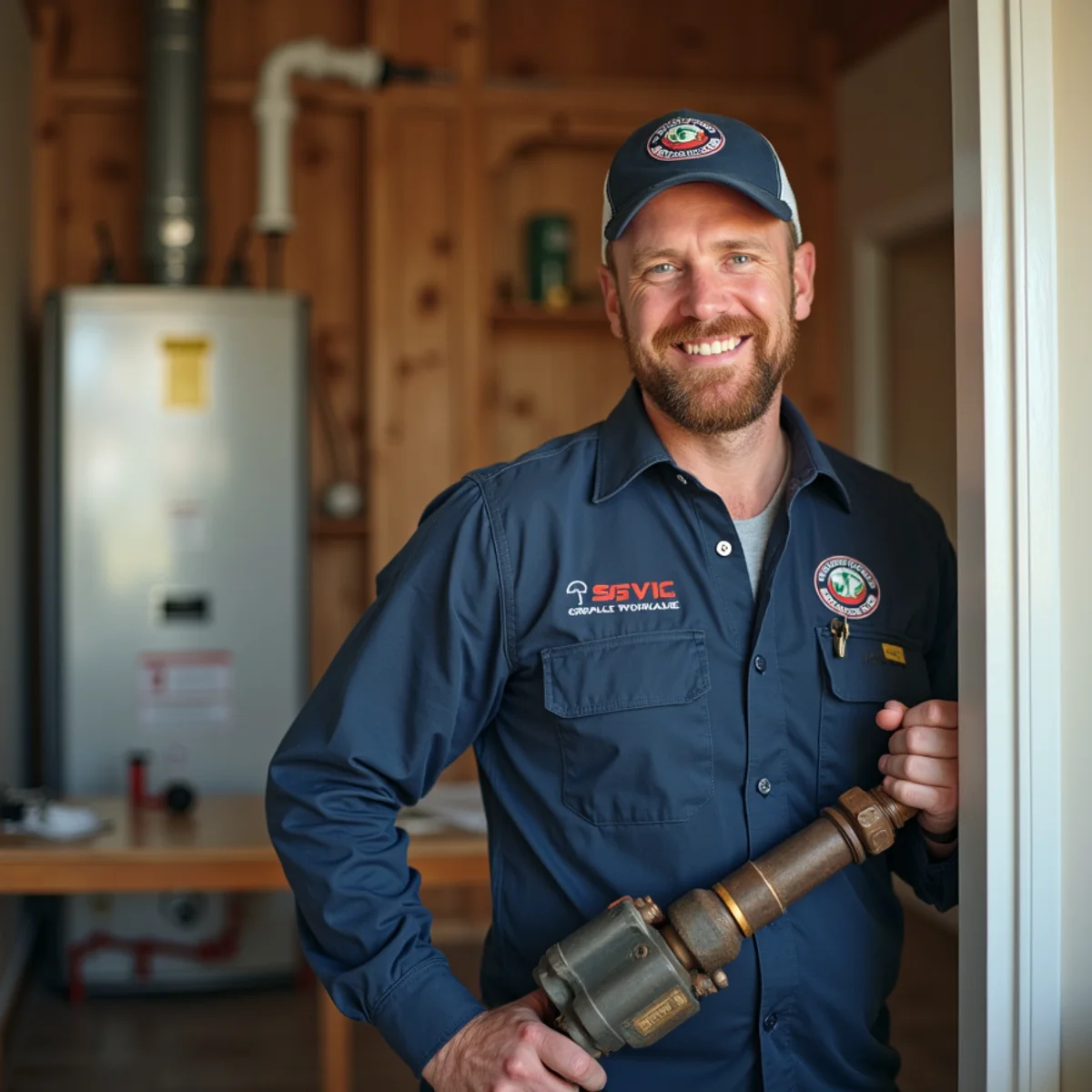
When dealing with fall plumbing & winterization checklist for iowa homes, prompt action and strict adherence to Iowa plumbing standards are critical. Our licensed master plumbers recommend immediate isolation of active hazards, following code-compliant diagnostic steps, and scheduling a professional on-site evaluation before minor plumbing vulnerabilities escalate into structural property damage.
The Essential Autumn Plumbing Checklist
Autumn in Iowa is beautiful, but it is also the countdown to winter. Taking an hour in October to properly winterize your plumbing system can save you thousands of dollars in emergency burst pipe repairs and insurance deductibles.
Here is the comprehensive fall checklist every Central Iowa homeowner should complete before freezing weather arrives.
6 Steps to Winterize Your Plumbing
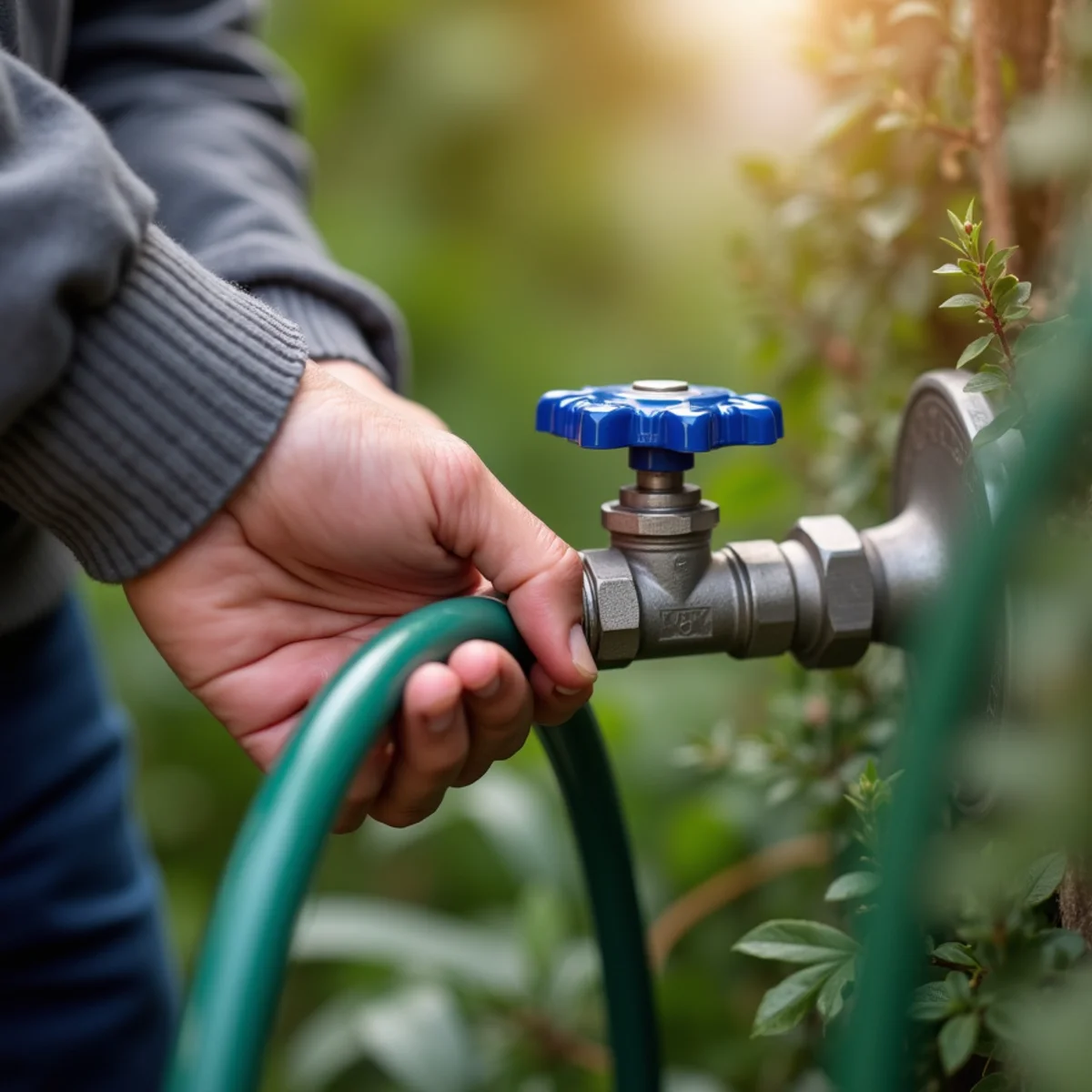
1. Disconnect and Drain All Outdoor Garden Hoses: Never leave a hose attached to an outdoor spigot over winter. Store hoses indoors and drain exterior spigots.
2. Shut Off Interior Isolation Valves for Outdoor Spigots: If your home has interior shut-off valves for outdoor hydrants, close them and open the outdoor faucet to drain residual water.
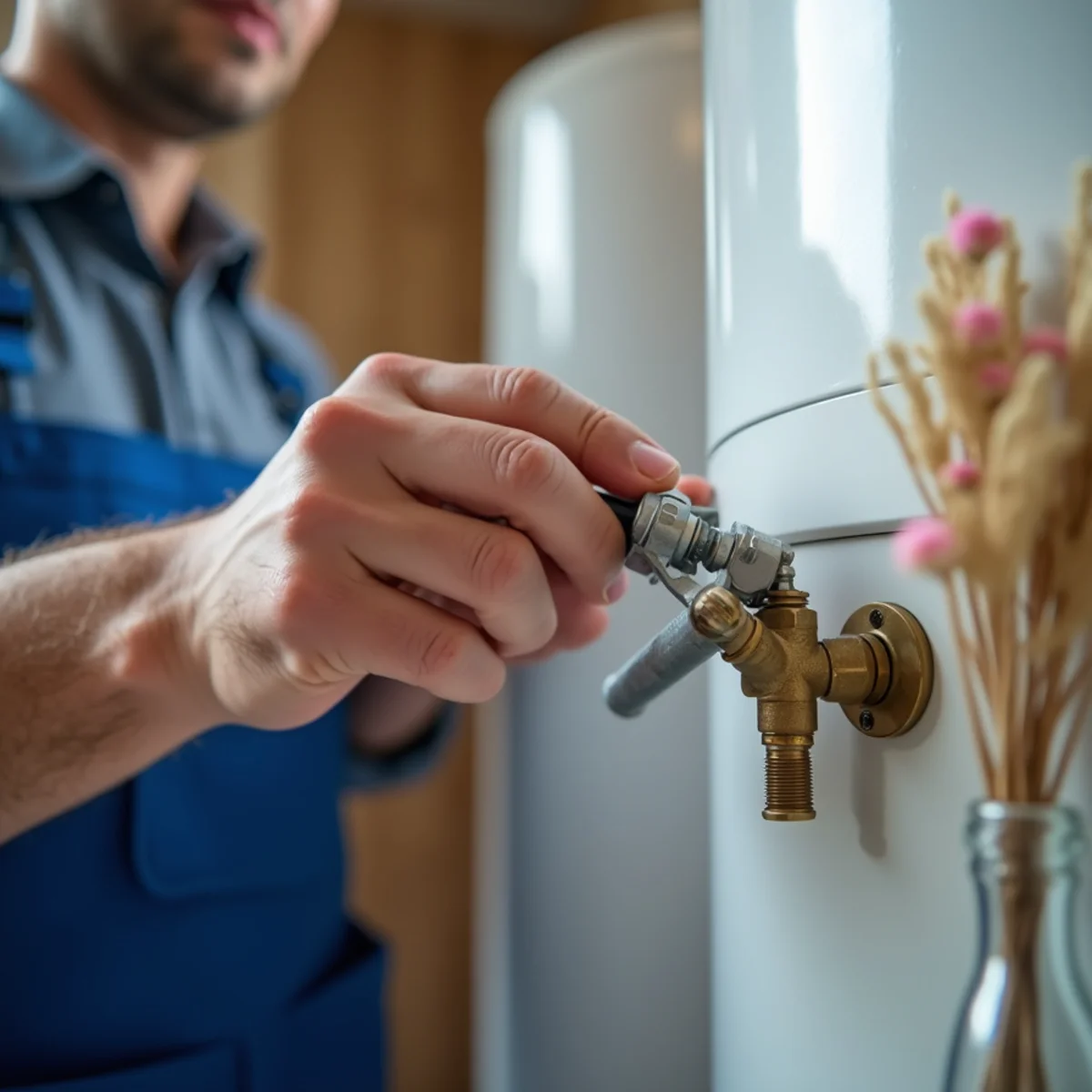
3. Flush Your Water Heater: Hard water sediment builds up rapidly during heavy summer use. Flush your tank in fall to ensure maximum heating efficiency before cold groundwater arrives.
4. Inspect Sump Pump Discharge Lines: Ensure your exterior discharge line extends at least 10 feet away from the foundation and has proper downward slope so water doesn't pool and freeze solid.
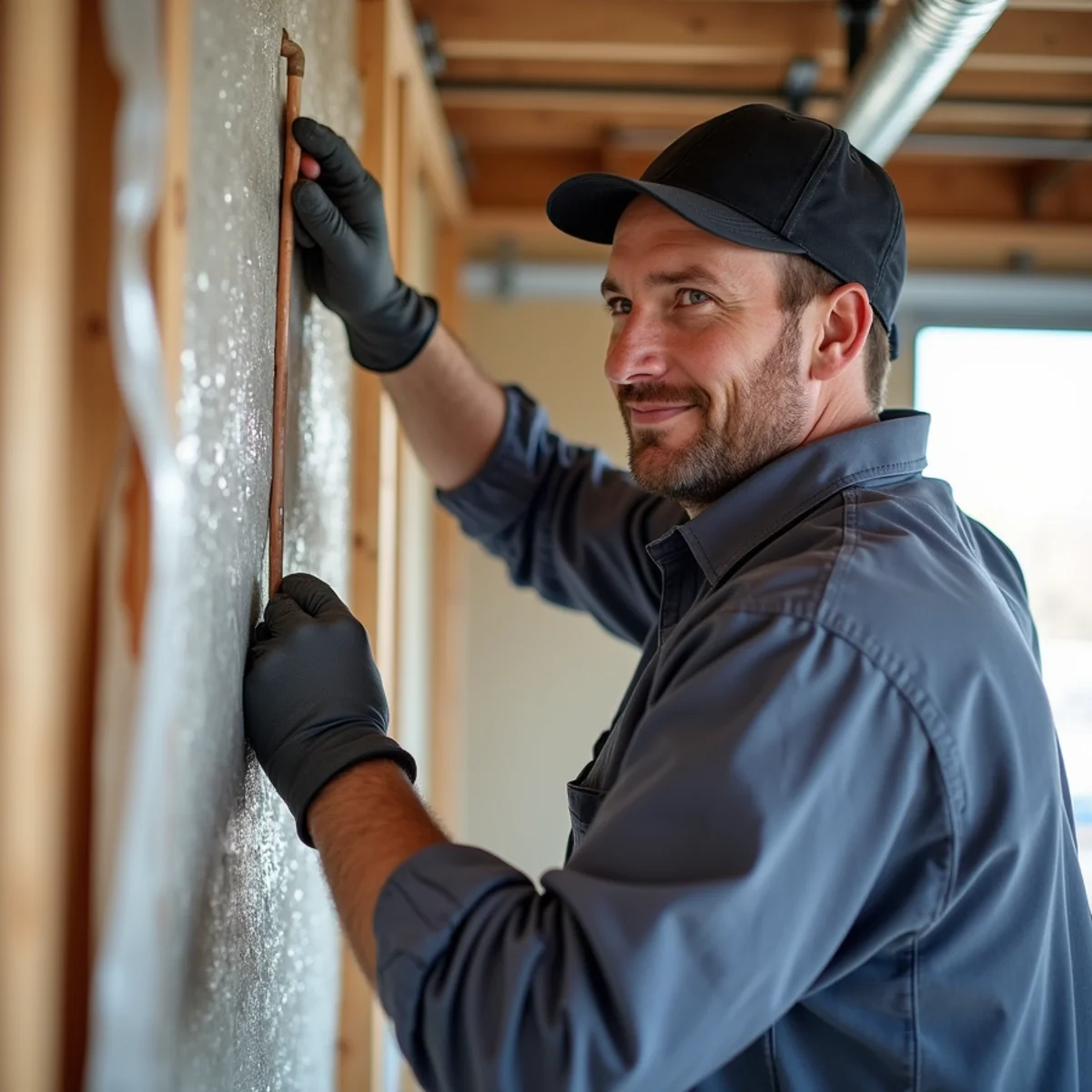
5. Insulate Unheated Pipes: Wrap all exposed pipes in crawlspaces, garages, and basements with closed-cell polyethylene foam insulation.
6. Test Your Main Water Shut-Off Valve: Verify that your main valve turns smoothly. In an emergency, a seized valve can cost you critical minutes.
Schedule a Professional Winterization Audit
Plumbing Ankeny offers comprehensive pre-winter plumbing audits across Ankeny and Polk County. Call (831) 290-4327 to ensure your home is ready for the deep freeze.
Seasonal Lawn Irrigation Blowout and Exterior Backflow Preventer Removal
Safeguarding Pressure Vacuum Breakers (PVB) from Costly Frost Cracking
Before the first hard ground freeze arrives in Central Iowa, residential lawn sprinkler systems must be thoroughly evacuated. Water left sitting inside underground lateral lines, electric solenoid valves, or sprinkler heads expands and shatters plastic manifolds when soil freezes.
Crucially, the exterior brass backflow prevention assembly—typically a Pressure Vacuum Breaker (PVB) or Reduced Pressure Zone (RPZ) device located outside the foundation—is extremely vulnerable to freezing. A licensed plumber connects a high-CFM rotary screw air compressor to blow every zone clear, then safely disconnects and stores the expensive internal brass components in a heated basement until spring.
Vacant Home Winterization Protocol: Antifreeze Traps and Pressure Evacuation
Comprehensive Checklist for Snowbirds and Unoccupied Iowa Properties
If an Ankeny home or rental property will sit unoccupied during the winter months, partial winterization is dangerous. A total mechanical shutdown protocol is mandatory.
Our technicians shut off the main water meter valve, disconnect water meters if required, and completely drain the domestic supply network. We drain water heaters and expansion tanks, blow out domestic branch lines with compressed air, and fill all fixture P-traps, toilet bowls, and washing machine drain pumps with non-toxic propylene glycol plumbing antifreeze to maintain sewer gas seals without risk of freeze expansion.
Central Iowa Building Codes & Master Plumber Standards Compliance
Plumbing work across Ankeny, Des Moines, and Polk County must comply strictly with the Iowa Uniform Plumbing Code (UPC) and local municipal amendments. Whether addressing emergency water leaks, replacing aging water heaters, or repairing subterranean sewer laterals, unpermitted work or DIY shortcuts can void homeowner insurance policies and create serious safety hazards including toxic sewer gas leaks and combustion backdrafting.
Plumbing Ankeny operates under Iowa Master Plumber License #0038924. Our certified technicians carry $2,000,000 in liability coverage, pull all required municipal permits, and coordinate required city trade inspections directly, ensuring your home remains safe, code-compliant, and protected for years to come.
Central Iowa Homeowner Action & Diagnostic Matrix
Stage 1: Hazard Mitigation
Shut off local fixture valves or the main building shut-off near the water meter. Turn off electrical circuit breakers if standing water is present.
Stage 2: Diagnostic Scoping
Deploy calibrated digital pressure gauges, fiber-optic sewer cameras, or acoustic leak detectors to verify root causes without unnecessary demolition.
Stage 3: Permanent Resolution
Execute permanent repairs using Type-L copper, ASTM F1960 PEX-a expansion, or CIPP epoxy liners backed by our 1-year parts and labor warranty.
Frequently Asked Questions
When should I winterize my plumbing in Iowa?
Complete all outdoor winterization by mid-October, before Central Iowa's first sustained hard freeze (sub-28°F overnight temperatures).
Do frost-free hose bibbs need to be winterized?
Yes! You MUST disconnect all garden hoses, splitters, and timers. If a hose remains connected, water cannot drain out of the frost-free barrel, causing it to split inside your basement wall.
Can I completely shut off my furnace if I winterize my Iowa home plumbing?
Master plumbers strongly advise against shutting off heat completely. Maintaining thermostats at 55°F prevents drywall joint cracking, wood floor buckling, and structural foundation freeze-thaw stress.
What happens if I forget to disconnect my garden hose before the first freeze in October?
Leaving a hose attached traps water inside the brass barrel of your frost-free sillcock, causing the pipe inside your wall to rupture during the first hard freeze and flood your home when used in spring.
How do I properly winterize a plumbing sink in an unheated detached garage?
Shut off the dedicated supply valves inside the heated home basement, open garage sink faucets to drain lines, and pour non-toxic RV plumbing antifreeze into the garage P-trap.