
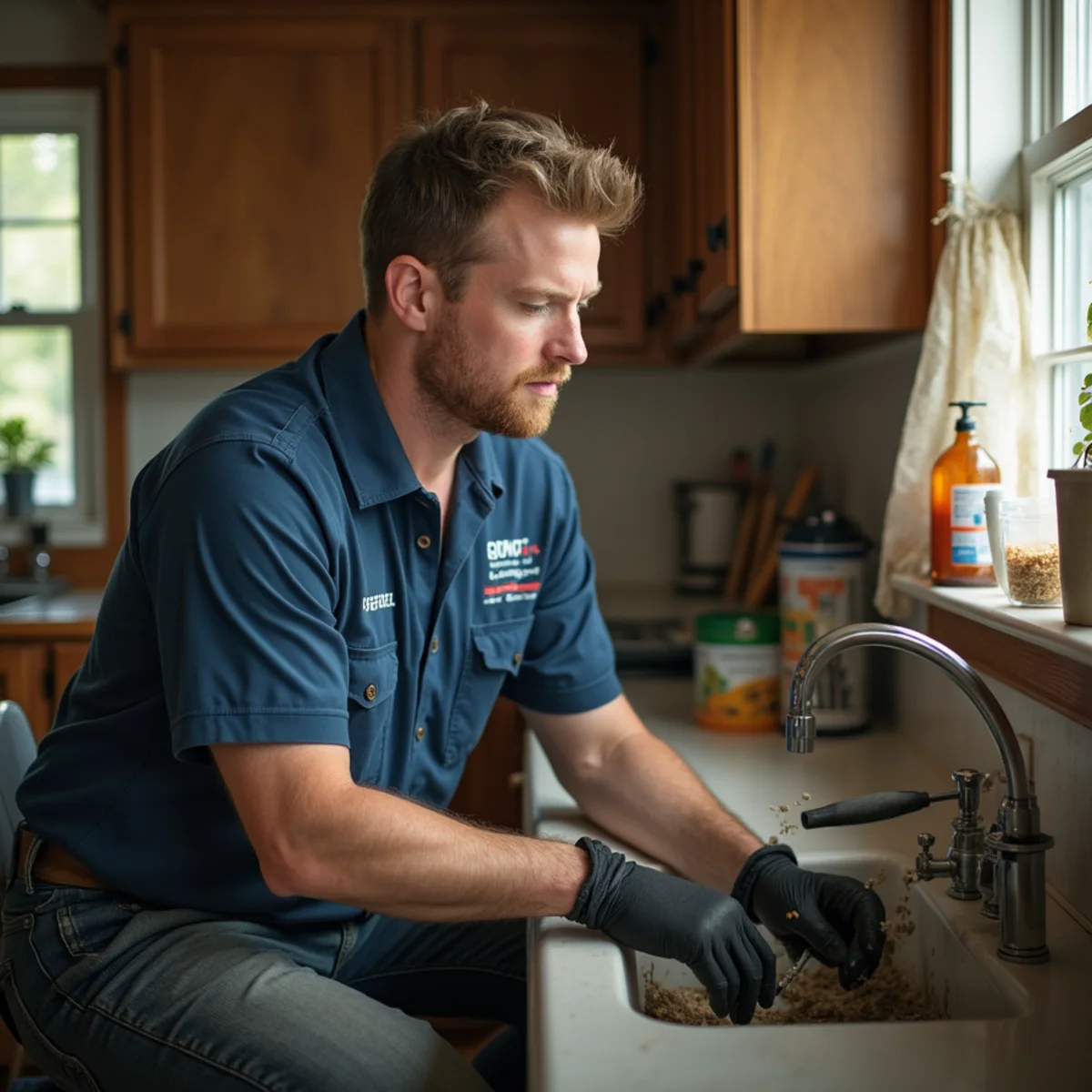
When dealing with tree roots in sewer lines: a common des moines problem, prompt action and strict adherence to Iowa plumbing standards are critical. Our licensed master plumbers recommend immediate isolation of active hazards, following code-compliant diagnostic steps, and scheduling a professional on-site evaluation before minor plumbing vulnerabilities escalate into structural property damage.
The Attraction: Why Tree Roots Seek Out Sewer Laterals
The mature tree canopy across Des Moines, Beaverdale, and older Polk County neighborhoods is beloved by residents, but beneath the surface lies an ongoing conflict. A tree’s root system can spread two to three times the width of its foliage, constantly searching for moisture and nutrients.
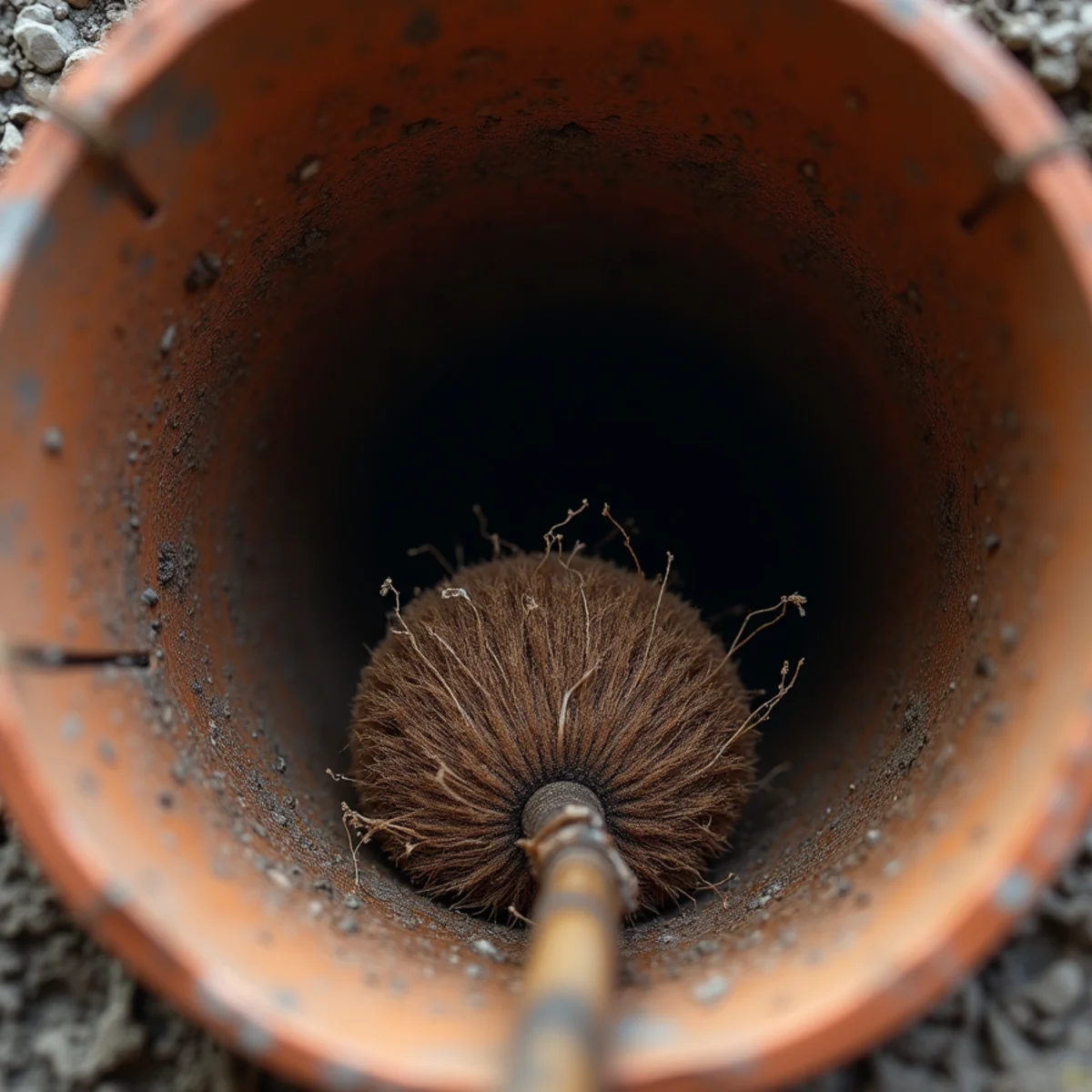
Your underground sewer lateral carries a 24/7 stream of warm water, oxygen, and organic nutrients. When microscopic cracks appear in older clay pipe joints, roots penetrate within weeks.
Why Mechanical Snaking Only Buys Temporary Time
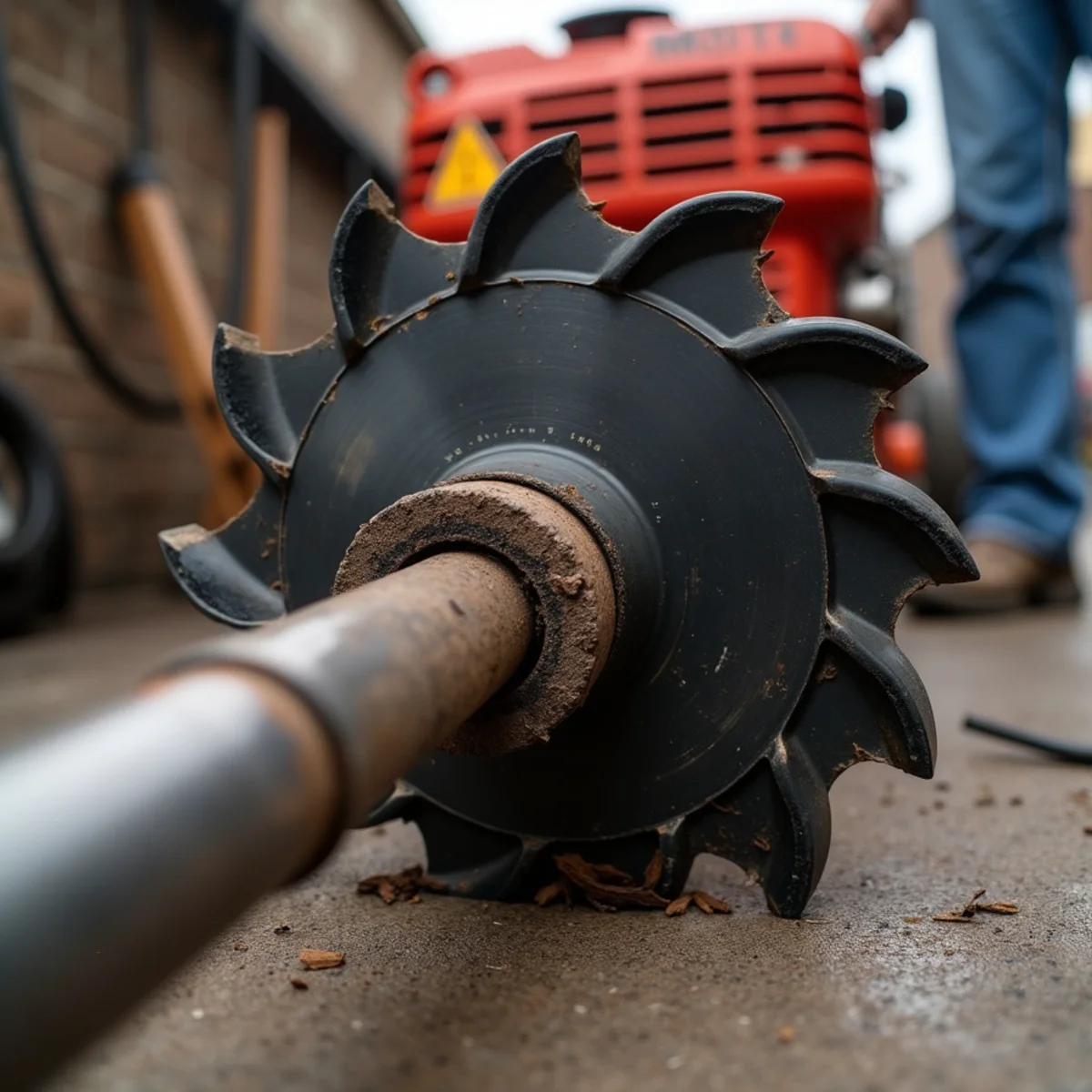
When a homeowner calls for drain clearing, a mechanical snake with a cutting blade punches a hole through the root mass to get wastewater moving again. However, cutting a tree root in a pipe is like pruning a shrub—it actually stimulates aggressive new root growth.
Within a few months, the root ball returns denser than before, trapping toilet paper and solids until another major sewer backup occurs.
The Permanent Cure: Trenchless CIPP Epoxy Lining
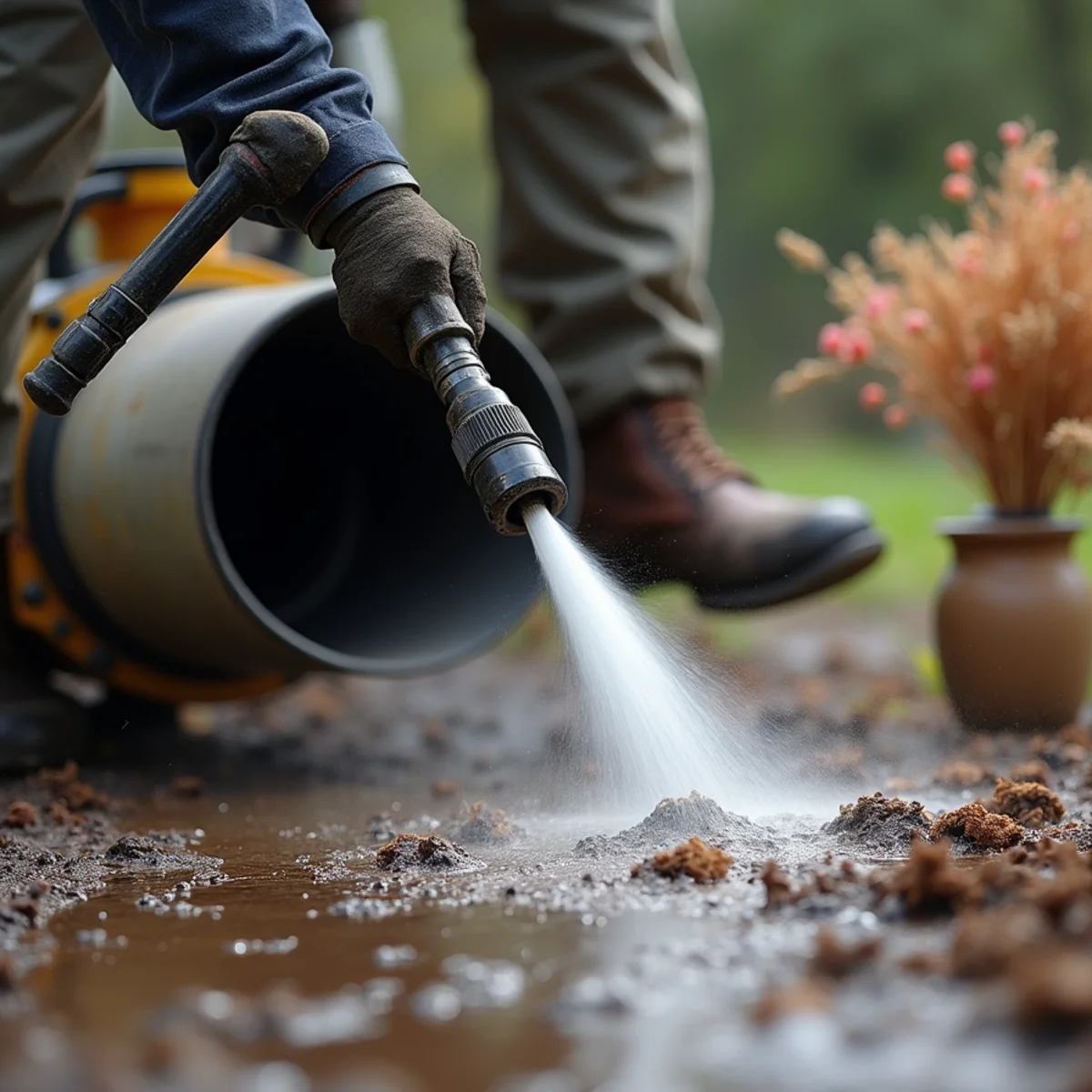
The only permanent solution short of digging up your entire yard is trenchless Cured-In-Place Pipe (CIPP) lining. Plumbing Ankeny cleans the roots completely using high-velocity hydro-jetting, then pulls an epoxy-saturated sleeve through the pipe and cures it solid.
This creates a smooth, jointless 'pipe-within-a-pipe' with zero seams, making future root intrusion physically impossible. Call (831) 290-4327 for a video root inspection.
Root Intrusion Mechanisms in Clay Tile, Cast Iron, and Concrete Laterals
How Microscopic Vapor Leaks Attract Tree Root Hairnets in Aging Sewers
Trees require hundreds of gallons of moisture daily during Iowa's warm summer months. Aging Vitrified Clay Pipe (VCP) and unlined cast-iron sewer laterals were installed in 3- to 4-foot sections connected by mortar or rubber slip joints that deteriorate over decades. These seams release warm, nutrient-rich moisture vapor into the surrounding subsoil.
Tree roots possess geotropic and hydrotropic sensory capabilities. Microscopic hair-thin feeder roots enter tiny mortar fissures in search of water. Once inside the oxygen-rich sewer environment, roots feed on nitrates and phosphates, rapidly expanding into dense, wire-like root balls that catch toilet paper, solid waste, and grease, leading to sudden main line backups.
Chemical Root Control Treatments vs. Mechanical Cutting and CIPP Lining
Evaluating Temporary Herbicidal Retardants Against Structural Epoxy Sleeves
Mechanical rotary root cutters can chew through large obstructions, but they leave roots cut like a pruned hedge, causing them to grow back thicker and faster within 6 to 12 months. Foaming chemical root treatments containing dichlobenil penetrate pipe joints to kill root tips, but they cannot repair cracked clay or restore structural integrity.
The only permanent solution that stops tree root infiltration without tearing up mature trees or driveways is trenchless CIPP (Cured-In-Place Pipe) epoxy lining. By creating a continuous, seamless structural pipe within the old host pipe, there are zero joints or seams for roots to exploit, guaranteeing decades of root-free flow.
Central Iowa Building Codes & Master Plumber Standards Compliance
Plumbing work across Ankeny, Des Moines, and Polk County must comply strictly with the Iowa Uniform Plumbing Code (UPC) and local municipal amendments. Whether addressing emergency water leaks, replacing aging water heaters, or repairing subterranean sewer laterals, unpermitted work or DIY shortcuts can void homeowner insurance policies and create serious safety hazards including toxic sewer gas leaks and combustion backdrafting.
Plumbing Ankeny operates under Iowa Master Plumber License #0038924. Our certified technicians carry $2,000,000 in liability coverage, pull all required municipal permits, and coordinate required city trade inspections directly, ensuring your home remains safe, code-compliant, and protected for years to come.
Central Iowa Homeowner Action & Diagnostic Matrix
Stage 1: Hazard Mitigation
Shut off local fixture valves or the main building shut-off near the water meter. Turn off electrical circuit breakers if standing water is present.
Stage 2: Diagnostic Scoping
Deploy calibrated digital pressure gauges, fiber-optic sewer cameras, or acoustic leak detectors to verify root causes without unnecessary demolition.
Stage 3: Permanent Resolution
Execute permanent repairs using Type-L copper, ASTM F1960 PEX-a expansion, or CIPP epoxy liners backed by our 1-year parts and labor warranty.
Frequently Asked Questions
How do tree roots get inside a sewer pipe?
Sewer pipes carry warm, nutrient-rich water vapor. Tree roots sense this moisture gradient and push through microscopic joint imperfections in clay or cast-iron pipes, expanding rapidly inside the pipe.
Does chemical root killer permanently fix sewer roots?
No. Chemical copper sulfate treatments temporarily burn back root tips inside the pipe, but cannot seal the crack. Roots will regrow thicker within 6 to 12 months unless the pipe is structurally lined.
Can mature oak or silver maple tree roots actually crush modern PVC sewer pipes?
Tree roots cannot physically crush or penetrate properly solvent-welded SDR-35 or Schedule 40 PVC sewer pipes. They can only enter pipes that already possess cracked walls, shifted slip couplings, or deteriorated mortar joints.
How does a master plumber locate where tree roots have breached the sewer line?
We deploy self-leveling fiber-optic sewer cameras equipped with integrated 512Hz electromagnetic radio transmitters (sondes). An above-ground locator allows us to pinpoint the exact depth, location, and structural condition of the pipe breach.
Does homeowners insurance cover tree root damage in private sewer lines in Iowa?
Standard homeowners insurance policies exclude subterranean tree root damage. Coverage is only available if you purchased an optional 'Water and Sewer Line Protection' endorsement or municipal utility service rider.